
About us
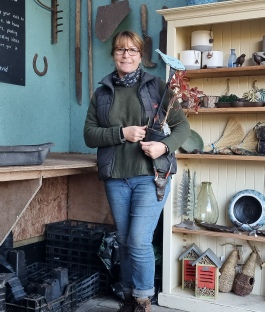
Who Am I?
I have worked in horticulture for over 40 years, beginning my journey straight out
of school. I grew up in a family that gardened and grew their own food, so from an
early age I learned the value, flavour, and satisfaction of home-
Training and Qualifications
My early training took place with the National Trust for Scotland at Inveresk Gardens.
I then studied at the Threave School of Gardening near Castle Douglas, completing
its renowned two-
Early Career
After completing my studies, I began working at Dougal Philip’s Walled Garden Centre,
gaining experience both in the gardens and the garden centre. From there I moved
to a 14-
I managed a wide range of areas, including woodland gardens, water gardens, rose gardens, a walled garden, rockery, and vegetable garden, all set around a house designed in the style of Edward Lutyens.
Head Gardener Roles and Historical Gardening
After a short break when my eldest son was born, I became head gardener at Annet House Museum in Linlithgow, a role I held for seven years. I was tasked with designing gardens that reflected plants and gardening in Scotland from the 1500s onwards. This allowed me to combine my passion for Scottish history with horticulture, creating fruit beds, herb and vegetable potagers, a cutting garden, and even writing a small book about the garden and its plants.
Nursery Experience and Path to Quercus Garden Plants
Following my time at Annet House, I joined Binny Plants, working in the nursery while my children were young. Over time, I became head gardener there, helping manage the gardens, supporting nursery operations, and working on show stands. I stayed with Binny Plants for 12 years, until November 2014, when I felt it was time for a new direction.
I decided to take a year out to reflect on my next step—and that journey ultimately led me to Quercus Garden Plants, where my experience, creativity, and passion for unusual, hardy plants could finally come together.

About Quercus Garden Plants
In early spring 2015, we were given the opportunity to purchase Quercus Garden Plants,
and since then our focus has remained the same: growing high-
We specialise in plants that are robust, resilient, and well-
Display Gardens on Three Terraces
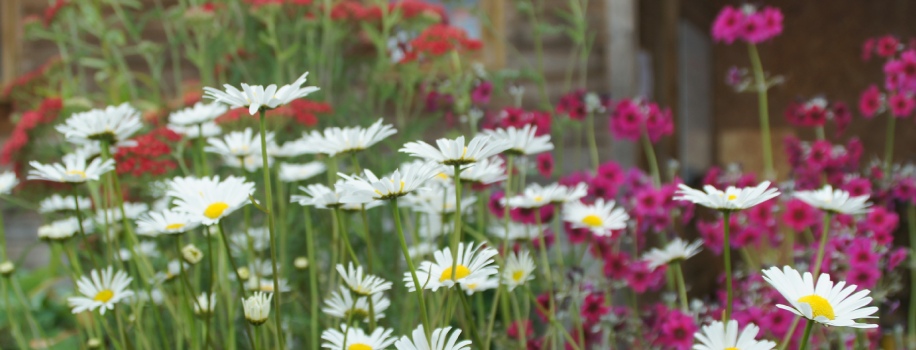
Our nursery surrounds the Whitmuir Café on three beautifully developed terraces, creating an inspiring series of display gardens. These gardens act as a living shop window, showcasing the plants we grow and sell — from old favourites to ornamental grasses, hardy herbaceous perennials, unusual plants, native species, and plants that support wildlife, insects, and biodiversity. Many of these plants also have uses in the home, kitchen, and garden.
Inspiring Gardens You Can Re-
Across the terraces we’ve created a rich variety of themed gardens, including:
Wildlife garden
Native plant borders
Wildflower banks
Stream garden
Herb garden
Scented garden
Mixed and themed borders
These gardens demonstrate what can grow successfully in our conditions, giving visitors
practical ideas they can easily re-
Plant suppliers to Conservation Organisations
We are proud to have grown and supplied plants for respected organisations such as:
Butterfly Conservation – East Scotland Branch
Our work with these groups reflects our commitment to ecological gardening, biodiversity,
and high-
Our Environment and Recycling Policies
At Quercus Garden Plants we are committed to running a sustainable, wildlife-
Supporting Wildlife and Biodiversity
Throughout the nursery we have dedicated areas to support a healthy ecosystem. The
banks between the terraces are maintained with a wide variety of native wildflowers,
providing food, shelter, and year-
We do not use insecticides. Thanks to years of organic management on the surrounding farm, there is a natural balance between pests and predators. Frogs, toads, and newts keep slugs and snails under control, while our abundant bird population helps manage pests in the borders and soil.
Organic Growing Practices
We rely on hand weeding and hoeing rather than chemicals. Removing weeds before they set seed helps break the weed cycle and gives us the chance to inspect each border and stock bed, making notes of any care the plants may need.
Composting and Soil Health
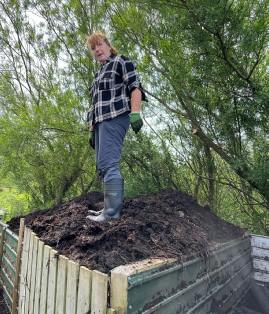
All of our green waste—along with used compost from the nursery and gardens—is composted
on site. It moves through a series of bins over a period of 12–18 months before being
used to enrich poor soils, top-
For potting, we source high-
In 2020 we introduced peat-
Reducing Plastic Waste
Plastic remains one of the biggest challenges for nurseries. We are actively researching recyclable plant pots, but until suitable alternatives are widely available we reuse pots and trays repeatedly until they wear out. We encourage customers to return used pots so we can reuse them again.
We also use biodegradable carrier bags, and continue to look for new, environmentally friendly options as better products become available.
Propagation to Reduce Our Carbon Footprint
Approximately 97% of our plants are propagated and grown on-
The few plants we buy in come from Scottish nurseries, minimising transportation
emissions and supporting local growers. Because most of our plants are grown outdoors
year-
Continual Improvement
Our environmental journey is ongoing. We are always exploring new ways to reduce our impact, support wildlife, cut waste, and grow sustainably. We hope our customers will join us in making gardening more environmentally responsible—one plant at a time.
.jpg)
.jpg)
.jpg)
Growing Ajuga pyramidalis for Borders Forest Trust in 2025
All contents and photographs © Rona Dodds, unauthorised reproduction & use of these images is strictly forbidden